
ARTICLE
8 Roles Every Team Leader Must Play (Besides "Boss")
by Shanda K. Miller
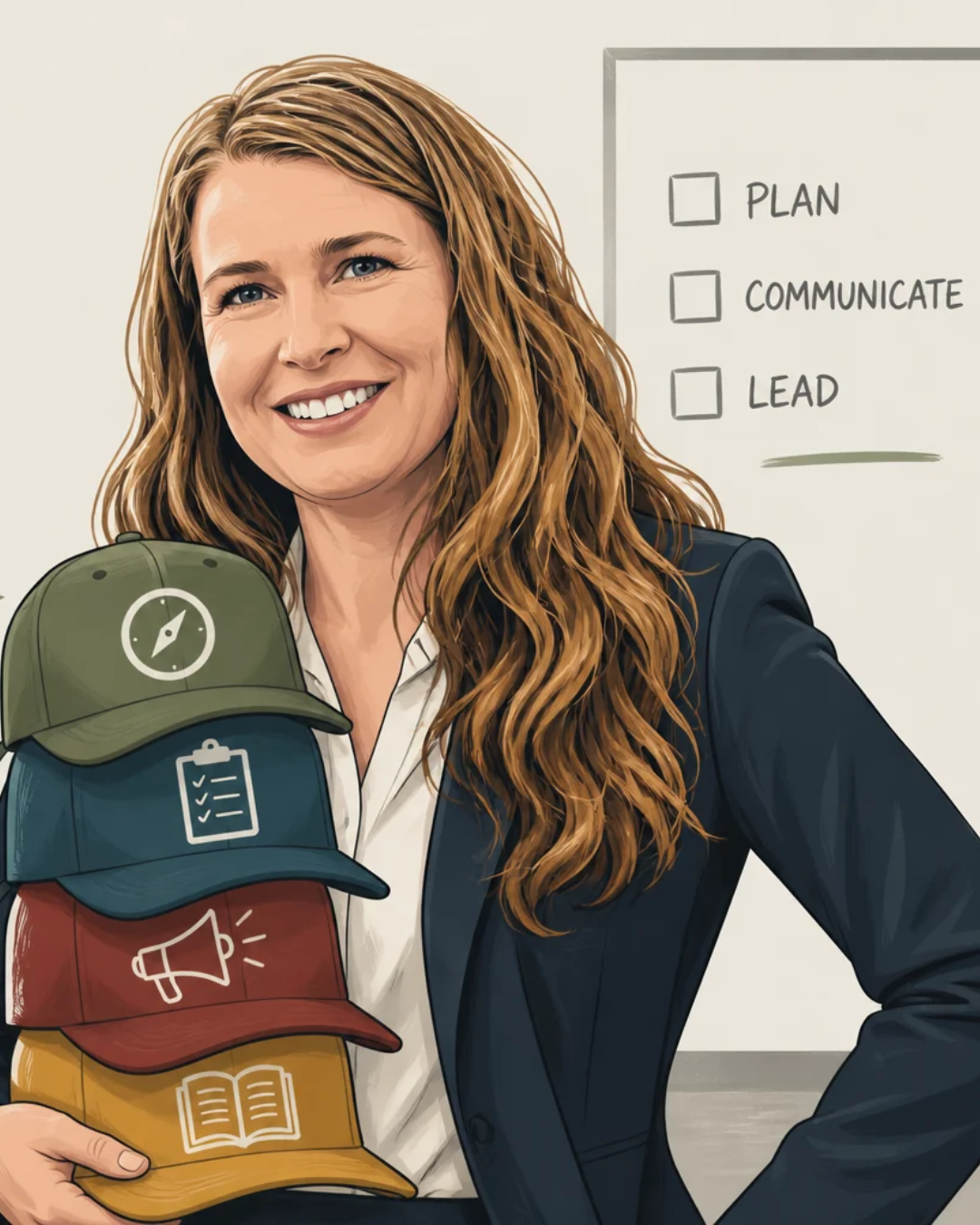
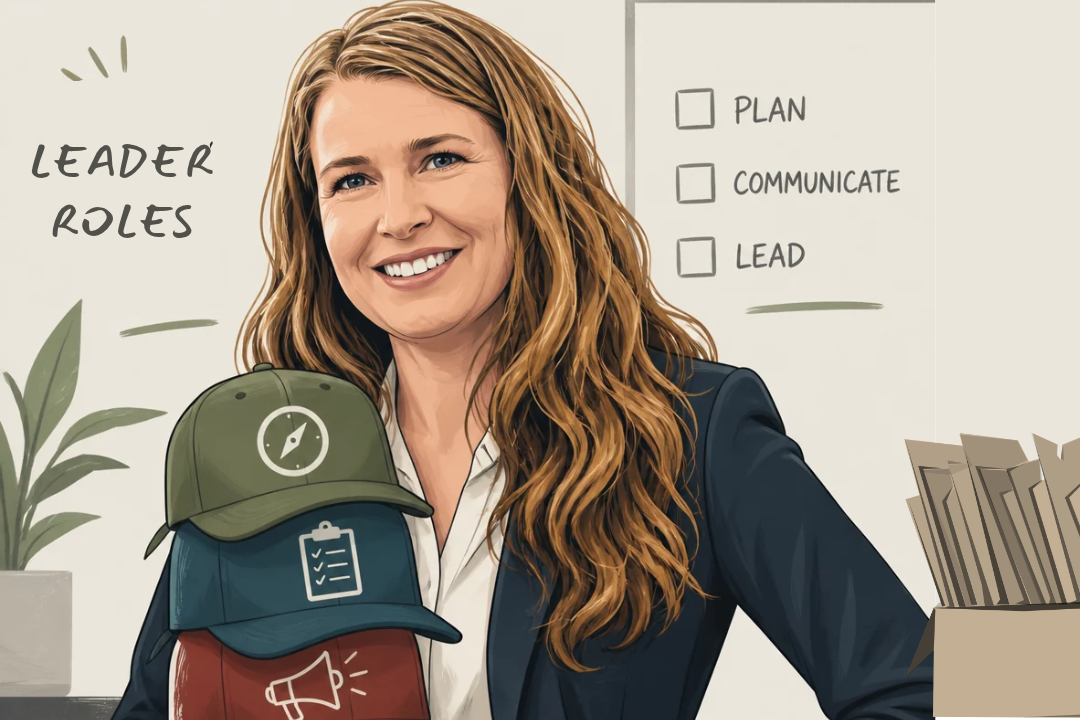
When you're promoted to team leader, you might expect your job to be giving direction and checking results. That's the "boss" part. It's real, but it's a small slice of the job.
A team leader wears many hats. Most of them differ from the hats we wore as staff members. And if we don't know what they are, we default to what we know best: doing the work ourselves.
Here are the eight roles I describe in the book. Think of them as a map of your new job.
Your Two Most Important Roles
Before we get to the eight, I want to name the two that matter most. Your most important role is to define the team's objectives and guide the team through meeting them.
The other is to grow and develop each member of your team. Every role below supports one of those two.
1. Engage and Inspire
When you have a purpose, you can inspire yourself and your team. A team leader also helps the team create a shared vision and shared goals.
Why does this matter? When team members find personal meaning in your purpose and the team's vision, they're more likely to be engaged, motivated, and committed. They're also more productive and creative.
2. Create a Road Map
First, get clear on the team's objectives. Then develop a strategic process for getting there.
Seek support on any plan. Share it with the team and ask for their feedback. Revise it until each team member can agree to it and own it.
That plan becomes your team's map and guide.
3. Be the Project Manager
If your work is project-based, you need to learn to manage projects. A project manager plans and executes so that the project meets its objectives, on time and on budget.
A good project plan includes:
Budget and resources
Scope
Timeline and milestones
Roles and responsibilities
Communication plan
Risk assessment and mitigation plan
Work breakdown structure
Share the plan with your team and get their input. Then track progress, make sure the team meets milestones, and work together to solve issues. You also keep management informed.
4. Delegate the Work
New team leaders tend to struggle here. The key is to assign large chunks of work instead of individual tasks.
For example, assign an entire section of a report, including the research behind it. That gives staff ownership. Make sure they're clear on the expected outcome, including quality and deadline. If they have questions about how to do the work, give coaching, training, or extra support.
5. Develop Your Staff
This is one of the most rewarding roles. Work one-on-one with each person to identify their professional goals. Then figure out the resources, training, and experience that will move them toward those goals.
Refer them to books and training. Encourage them to seek other learning opportunities. When their goals align with the team's objectives, give them chances to gain the experience they need.
6. Be the Coach
Like a sports coach, your role is to help people be their best and improve. You can help team members discover their strengths and where they can best contribute.
A coach also instills confidence and is a positive force. That means giving positive feedback on an ongoing basis.
Coaching can and should happen often. Timely coaching lets staff correct course right away. Wait too long, and they might develop bad habits or get discouraged.
7. Connect and Communicate
Another key role is to facilitate communication. That includes communication among team members, between teams, and between your team and management.
Encourage relationship building within your team. Relay management's expectations to your team. And keep management informed on how your team is doing and progressing toward its goals.
8. Facilitate Team Building and Open-Minded Discussions
You also help your team form and bond. That includes creating team norms and agreements for how you'll work toward shared goals.
Foster open-minded communication, too. Empower your team to identify problems and solve them together.
That takes a culture where team members feel free to share their thoughts and opinions. Teams that practice this are more integrated. Members feel better about the process, the decisions, and each other.
Where to Start
Eight roles can feel like a lot. You don't need to master them all this week.
Try this instead:
Score yourself. Rate how often you practice each role: consistently, sometimes, or never.
Pick one role you've been neglecting.
Take one small step. For example, schedule a one-on-one to talk about a team member's goals.
Revisit in a month and pick your next role.
Notice that "boss" isn't on the list. Your team doesn't need a boss who watches over them. They need a leader who sets direction, builds them up, and clears the path.
Your title says supervisor. These eight roles make you a leader.
Heads up: This post is adapted from my book From Supervisor to Super Leader with the help of AI, but thoroughly reviewed and edited by me.
Score yourself by taking the Team Leadership Self-Assessment. Download below 👇
Get Shanda's bestselling book
Improve your team skills now. Do you want to be better at coaching staff? Do you find it hard to give honest feedback? Get this book.

Helping leaders thrive!
© 2026 Become a Super Leader - All Rights Reserved
1711 Willamette St Suite 301 #739
Eugene OR 97401